
A standard 30-by-60-inch alcove shower tiled with 4-by-12-inch units generates over 100 linear feet of grout joints. A three-panel solid surface system reduces that number to under 6 linear feet. That difference in seam count determines whether a bathroom remodel survives ten years without leaking or requires constant chemical scrubbing to control mold. Choosing between solid shower wall panels and ceramic tile is more than a finish decision. It is an assembly specification problem involving substrate preparation, waterproofing integrity, labor hours, and joint maintenance. See also: porcelain floor tile DCOF and water absorption specs.
Contents
- What are the material specifications for solid shower wall panels versus ceramic tile?
- How much does a tiled shower wall cost compared to solid panels per square foot installed?
- What waterproofing assembly does TCNA require for tiled walls versus direct-bond panels?
- How many linear feet of grout joints does a tiled shower create compared to a panel system?
- What limits fixture mounting and hardware attachment on panel shower walls?
- When should a bathroom remodel spec panels instead of tile for shower walls?
Key takeaways
- Solid surface and acrylic shower wall panels typically measure 1/4 inch to 3/8 inch thick and have factory-finished non-porous faces.
- Installed costs for tiled shower walls range from $25 to $65 per square foot , including substrate, thinset, tile, grout, sealer, and labor.
- TCNA Handbook methods B415 and B421 require a continuous waterproof membrane behind or bonded to the tile substrate, directing water to the drain.
- A standard 30-by-60-inch alcove shower tiled with 12-by-24-inch units generates approximately 35 linear feet of grout joints requiring sealing and periodic maintenance.
- Ceramic tile set over cement board supports heavy grab bars, shower seats, and glass doors using standard toggle bolts or anchors driven into blocking.
Horizontal surfaces call for slip resistance metrics, which our guide on porcelain floor tile DCOF and water absorption specs covers for floors. For vertical wet areas, the focus shifts to waterproofing membranes, thermal expansion tolerances, and fixture blocking. Start by measuring what you are attaching to the studs.
What are the material specifications for solid shower wall panels versus ceramic tile?
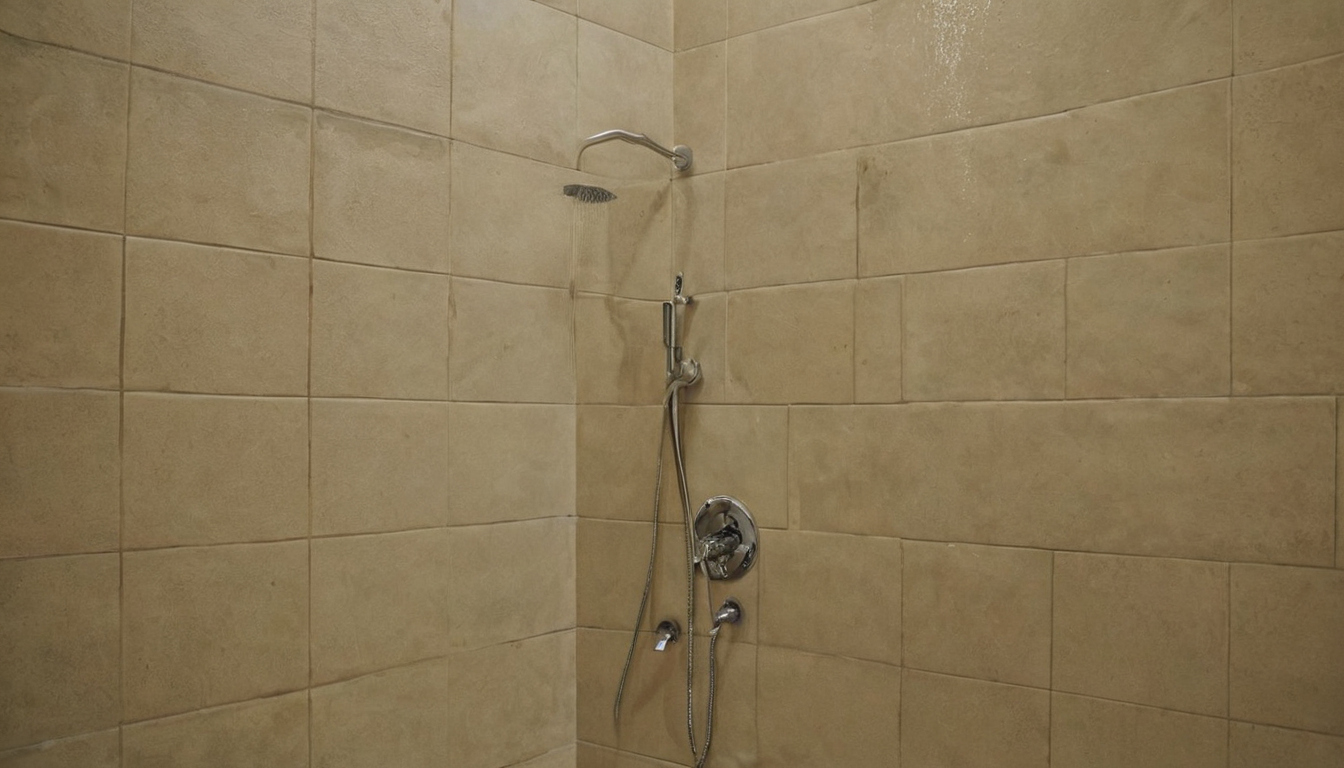
Solid surface and acrylic shower wall panels typically measure 1/4 inch to 3/8 inch thick and have factory-finished non-porous faces. Ceramic and porcelain wall tiles range from 5/16 inch to 3/8 inch thick before thinset. Panel sheets cover up to 100 square feet with minimal seams; tile requires placing each unit and grouting every joint.
Material thickness determines assembly depth inside a standard alcove. Acrylic panels weigh roughly 1.5 to 2 pounds per square foot, while glazed ceramic wall tile adds 4 to 5 pounds per square foot including thinset mortar. The wrong substrate or overlooked movement tolerances can cause bond failure behind the finish surface. Before selecting either material, verify these physical properties against your framing layout and overall bathroom remodel scope allocation.
Total wall assembly thickness changes clear floor space calculations. The 2010 ADA Standards specify a 30 by 48 inch clear floor space for wheelchair positioning in accessible design. A 1/2-inch solid surface panel bonded directly to studs preserves more interior clearance than a 1-inch tile assembly built over cement board and waterproofing membrane. Measure the rough opening before ordering materials to confirm the finished alcove meets required dimensions.
Preservation standards for sensitive interiors call for stable, documented substrates. The National Park Service Museum Handbook provides guidance for preservation, documentation, access, and use of collections, establishing baseline expectations for moisture control that apply equally to high-end residential wet areas where wood framing must remain dry.
What are the material specifications for solid shower wall panels versus ceramic tile.
Installers must leave a 1/8-inch perimeter gap around acrylic and solid surface panels to absorb this movement. Silicone sealant rated for continuous water immersion fills that gap. Rigid grout against an expanding acrylic edge will crack within months. TCNA Handbook methods for vertical wet areas mandate movement joints at changes in plane and material transitions. Ignoring expansion coefficients during layout guarantees callbacks.
Ceramic and porcelain tile never mount directly to wood studs. Tile installations require a cement backer board, fiber-cement underlayment, or a bonded waterproofing membrane system approved for vertical applications. This required substrate layer adds thickness and labor time that panel systems often eliminate. Accounting for the backing layers shifts the calculation from material price alone to installed cost per square foot.
How much does a tiled shower wall cost compared to solid panels per square foot installed?
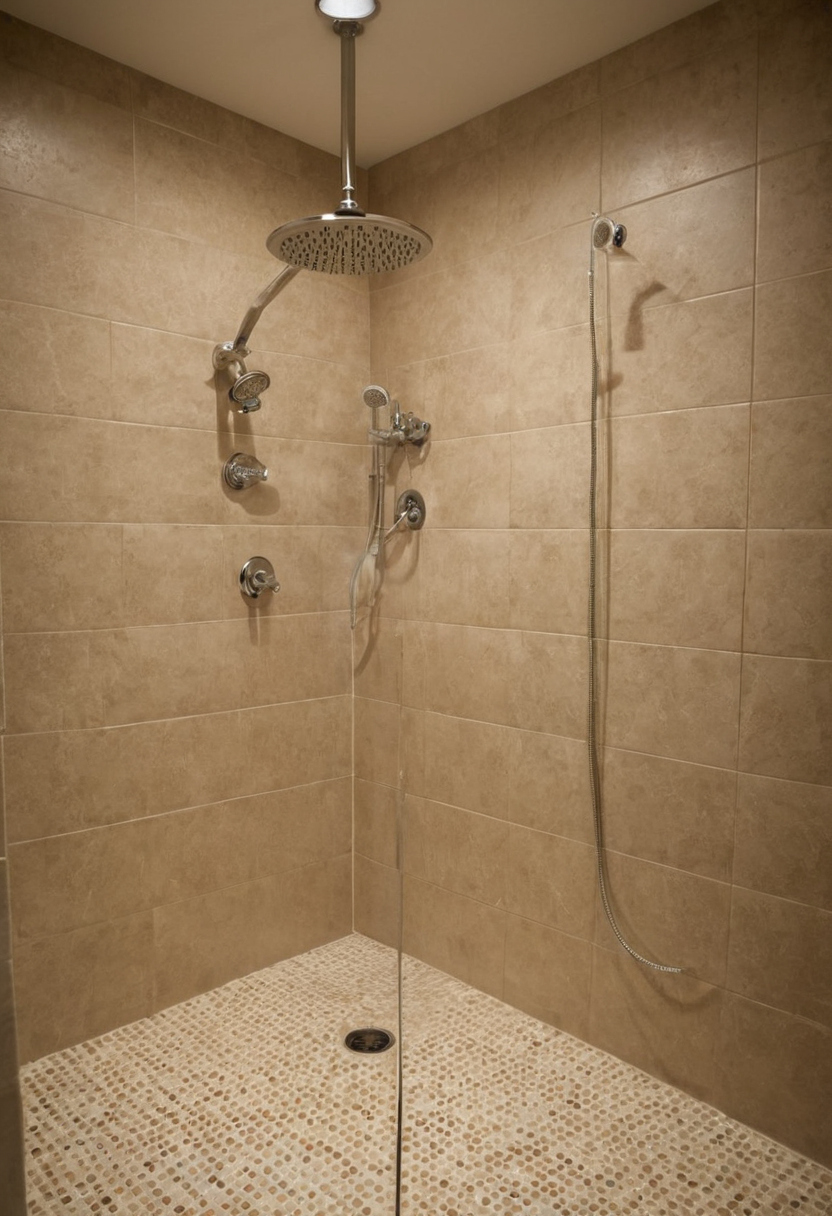
Installed costs for tiled shower walls range from $25 to $65 per square foot, including substrate, thinset, tile, grout, sealer, and labor. Solid surface or acrylic panel installations run $20 to $50 per square foot, depending on brand, custom fabrication, and regional installer rates. Panels reduce labor hours by eliminating the setting and grouting phases.
How much does a tiled shower wall cost compared to solid panels per square foot installed.
A standard three-wall alcove shower measuring roughly 90 square feet of wall area typically requires 16 to 24 labor hours for ceramic or porcelain tile. The setter floats the substrate, applies thinset, sets each tile, waits for cure, grouts the joints, and seals the grout lines. Panel installers complete the same alcove in 6 to 10 hours because the sheets arrive pre-sized and bond directly to approved backer with adhesive or mechanical fasteners.
Material pricing follows a similar split. Mid-grade porcelain wall tile costs $3 to $8 per square foot before adding thinset, grout, and membrane materials. Acrylic panels start near $10 per square foot for basic sheets and climb past $30 for solid-surface composites with integrated trim. Labor remains the largest variable across US markets, often doubling the material line item for tile while adding only 40 to 60 percent for panels. Compare these ranges with your budget priorities before approving a bid.
Price per square foot shows what leaves the bank account, but not the assembly behind the finish. The waterproofing method TCNA requires for tiled walls versus direct-bond panels determines whether that money survives ten years of daily showers.
What waterproofing assembly does TCNA require for tiled walls versus direct-bond panels?
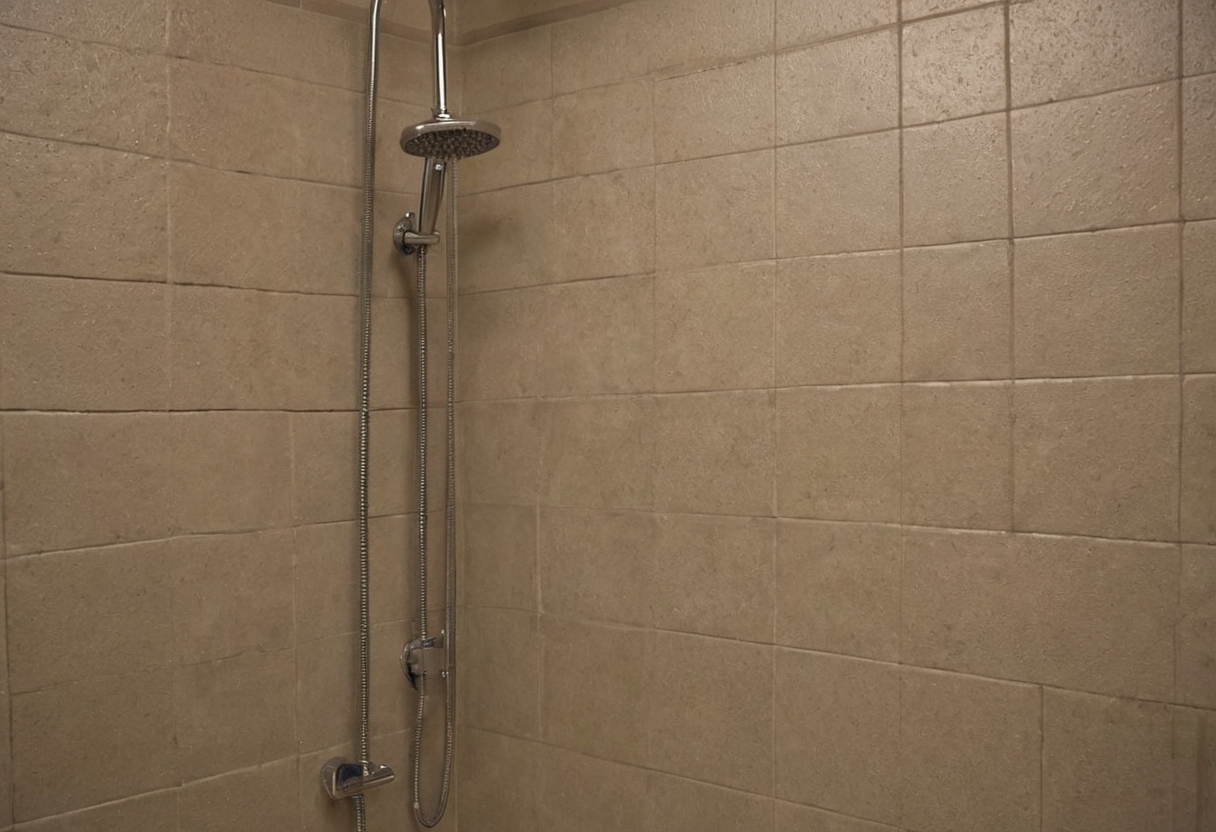
TCNA Handbook methods B415 and B421 require a continuous waterproof membrane behind or bonded to the tile substrate, directing water to the drain. Direct-bond solid panels rely on sealed perimeter joints and integrated flanges overlapping the shower base. Both systems must prevent water penetration at seams and fixture cutouts.
Tiled shower assemblies require a topical liquid membrane or sheet membrane over cement backer board. Installers apply the membrane across the entire wet area, lapping it over the shower pan liner by a minimum of two inches. Solid surface and acrylic panels skip the separate membrane layer. The panel material acts as the primary water barrier, and installers seal every edge with manufacturer-specified 100 percent silicone adhesive. Building materials and sealants used in these wet areas emit volatile organic compounds during installation, which the U.S. Environmental Protection Agency identifies as common indoor air pollutants requiring adequate ventilation until fully cured.
What waterproofing assembly does TCNA require for tiled walls versus direct-bond panels.
Niches add another risk. A recessed shampoo niche requires precise slope toward the shower interior and fully sealed inside corners. Inspectors reject tiled niches lacking a pre-formed waterproof insert or properly sloped mortar beds because standing water degrades grout and eventually breaches the membrane.
Silicone selection determines how long the seal lasts. Manufacturers specify neutral-cure 100 percent silicone for acrylic and solid surface substrates because acetoxy-cure formulas attack plastics. Cure times range from 24 to 72 hours before exposing the joint to water flow. Shower lighting upgrades also affect these assemblies; switching to fixtures rated for damp locations reduces heat near the ceiling panel joints, complementing the efficiency gains documented for qualified LED lighting.
Waterproofing integrity depends entirely on how well the installer seals each seam and penetration. The total length of those seams, however, determines long-term maintenance load. Comparing the linear feet of grout joints in a tiled shower with those in a panel system shows why one assembly demands more upkeep than the other.
How many linear feet of grout joints does a tiled shower create compared to a panel system?
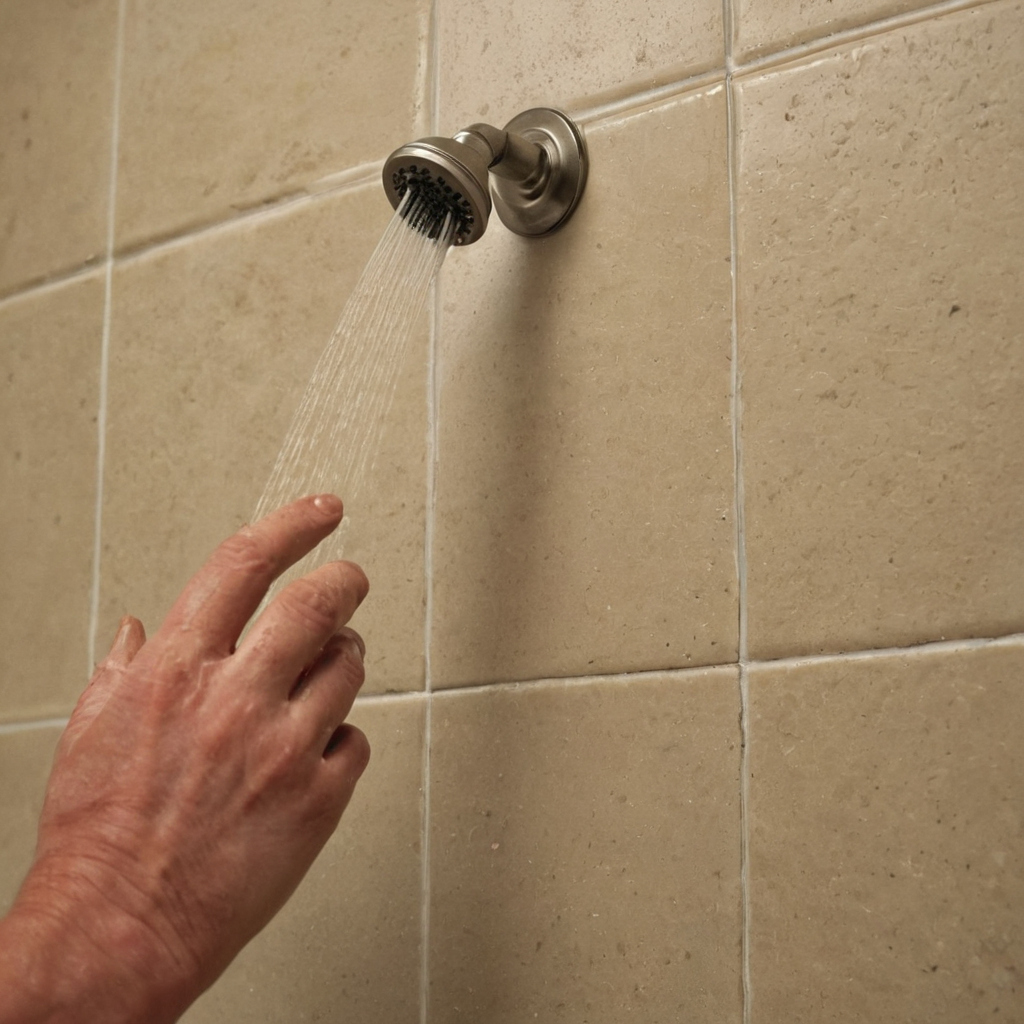
A standard 30-by-60-inch alcove shower tiled with 12-by-24-inch units generates approximately 35 linear feet of grout joints requiring sealing and periodic maintenance. A three-panel solid surface system reduces this to under 6 linear feet of sealed perimeter and corner joints. Fewer joints mean lower long-term maintenance labor and reduced mold habitat.
Grout joint footage scales directly with tile dimensions. Smaller formats multiply the seams quickly. Use this checklist to calculate total linear feet before approving any bathroom renovation ideas:
Grout sealer reapplication adds recurring labor to any tiled assembly. Most manufacturer specifications require resealing cement-based grout every 12 to 24 months in wet areas. Epoxy or urethane grouts extend that interval but increase initial material costs and require precise mixing on site. Solid surface panels eliminate cementitious grout entirely, relying instead on a continuous bead of silicone sealant at the perimeter and corner seams during installation.
How many linear feet of grout joints does a tiled shower create compared to a panel system.
Fewer joints change the maintenance math for any bathroom remodel design you evaluate. A tiled wall requires regular chemical cleaning along dozens of feet of porous grout lines. A panel system limits scrubbing to flat, non-porous surfaces. Before finalizing your cladding spec based on joint counts alone, check what limits fixture mounting and hardware attachment on panel shower walls.
What limits fixture mounting and hardware attachment on panel shower walls?
Ceramic tile set over cement board supports heavy grab bars, shower seats, and glass doors using standard toggle bolts or anchors driven into blocking. Solid surface and acrylic panels require pre-installed wood blocking behind the sheet to bear point loads safely. Mounting hardware directly through unsupported acrylic risks cracking the panel and voids manufacturer warranties.
When should a bathroom remodel spec panels instead of tile for shower walls?
For more on this topic, see other guides on this site.